
Publications
Invasive Species in the Mediterranean, Nile & Lakes: Hidden Threats to Egypt’s Ecosystems and Livelihoods
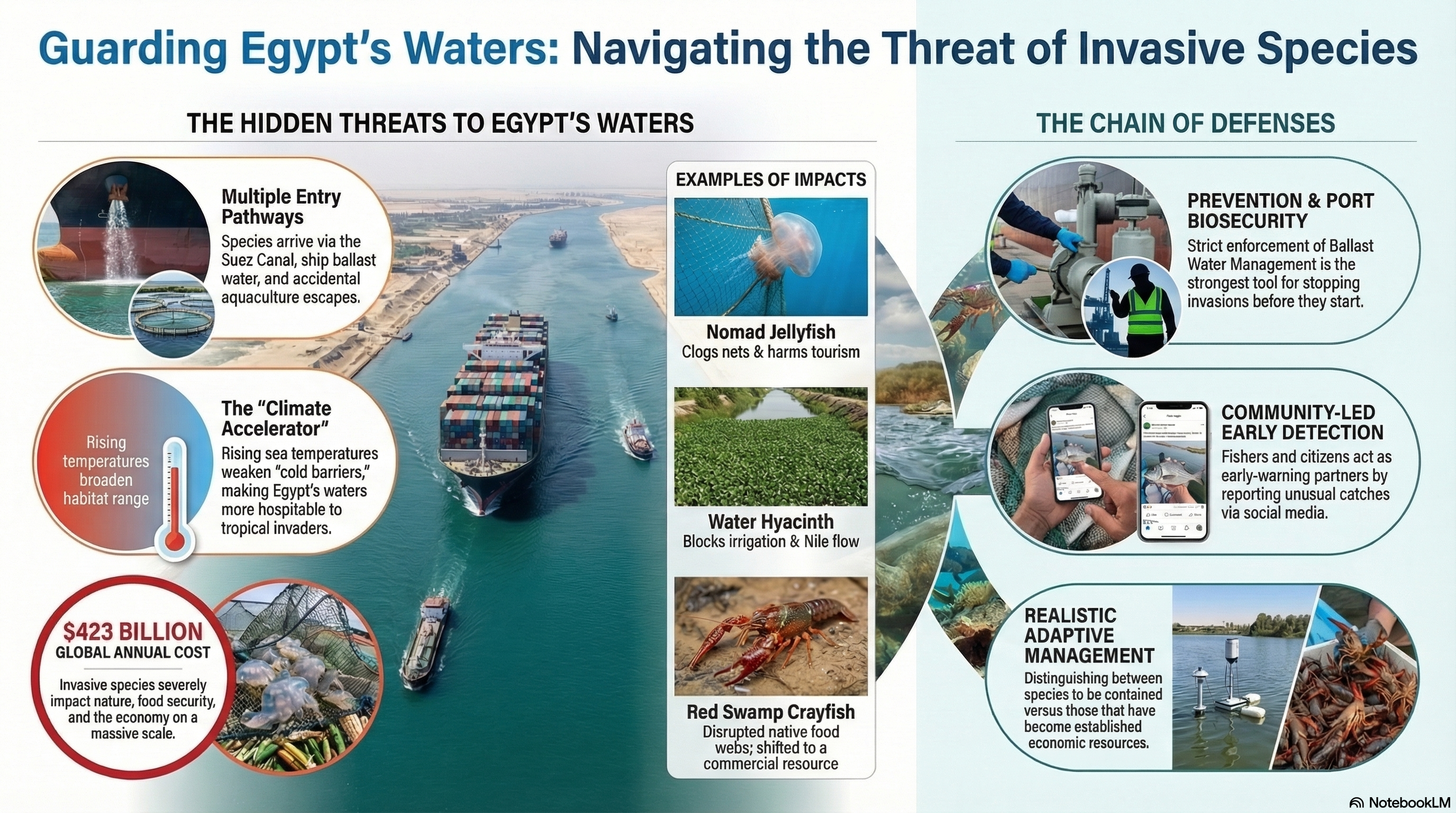
An infographic on invasive species in Egypt.
Arab Institute for Navigation
Along Egypt’s Mediterranean coast, the warning signs may appear without notice. A beach that was normal just days earlier may suddenly become crowded with jellyfish. A fishing crew may return with “unusual” nets—not because they are full of fish, but because they are clogged, torn, and far slower and harder to clean. Inland, far from the sea, dense aquatic plants may blanket an irrigation canal that supplies fields and villages, blocking sunlight, trapping waste, and slowing water movement to the point that pump operations are disrupted. These are not separate stories, but snapshots of a larger challenge that is accelerating at an alarming pace: invasive alien species.
Read more
Invasive alien species are becoming an increasing pressure on the Mediterranean Sea, the Nile River, and Egypt’s lakes, driven by maritime transport, aquaculture, and the aquarium trade, as well as by environmental changes such as rising water temperatures and shifting salinity. Their impacts are practical and immediate. Some alien fish, jellyfish, aquatic plants, and pests can spread rapidly, outcompete native species, damage fishing gear and infrastructure, disrupt food webs, and raise production costs for fishers and farmers 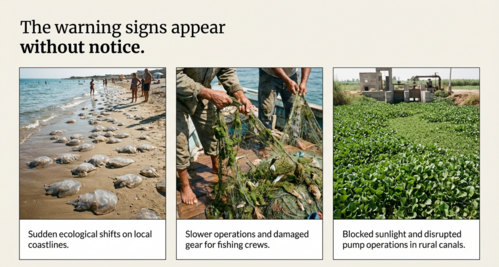
This report traces the pathways through which these species move from the sea to the river to the lakes, and raises questions that Egyptian communities increasingly encounter in daily life: How did this begin? What has it done to the fishing sector—is it purely harmful, or can it sometimes become a resource? What role do local communities, fishers, and the state play? How does global warming make the environment more hospitable to biological invasions? Most importantly, how can we reduce the damage before this becomes the “new normal”?
What Do We Mean by “Invasive Alien Species,” and Why Does This Matter in Egypt Now?
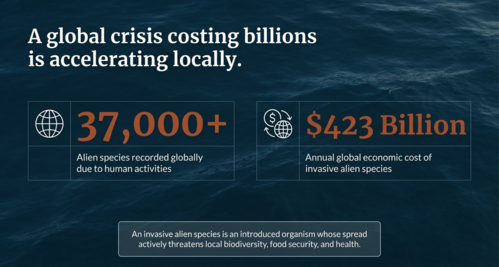
Not every introduced species is “invasive” in the ecological sense. Under the Convention on Biological Diversity (CBD), an invasive alien species is defined as an alien species whose introduction and/or spread threatens biodiversity. The risk here is not limited to the environment. Reports by the Intergovernmental Science-Policy Platform on Biodiversity and Ecosystem Services (IPBES) indicate that more than 37,000 alien species have been recorded globally as a result of human activities, and that invasive alien species have severe impacts on nature, the economy, food security, and health, with annual economic costs exceeding USD 423 billion.
In Egypt, this global shift becomes a local issue because of the interconnectedness of our water systems, the intensity of their use, and our strategic location. Ports and shipping lanes create economic opportunities, but at the same time they open a constant pathway for living organisms to move through ballast water or by attaching themselves to ship hulls. Fish farms support food security, but they may also unintentionally become points of release if organisms escape or leak into surrounding waters. Even releasing ornamental fish into canals or drains may seem like a small act, yet in a warm and sheltered environment it can turn into a permanent presence that is difficult to eliminate.
How Biological Invasions Began and Spread in Egypt: Pathways, Vectors, and Decisions
The story of invasive species in Egypt is not a single story. It is a set of multiple entry pathways that have intersected over time—some unintentional, some linked to trade, and some shaped by infrastructure and environmental change.
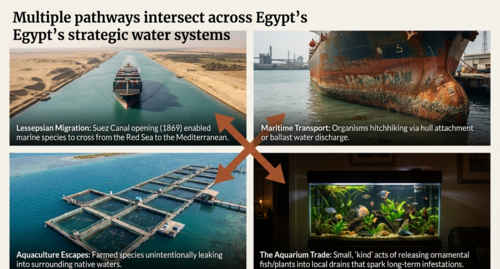
The most famous of these pathways is the Suez Canal. Since its opening in 1869, the canal has enabled marine species to move between the Red Sea and the Mediterranean, a phenomenon discussed in the scientific literature as Lessepsian migration. As sea temperatures rise, the influence of this pathway increases, because some warm-water species that once struggled to adapt to cooler average conditions are now finding circumstances closer to those of their native habitats.
Maritime transport is another constant and ongoing pressure. Decades ago, the International Maritime Organization warned that ballast water can transport harmful aquatic organisms and pathogens across oceans, and the Ballast Water Management (BWM) Convention was adopted to reduce this pathway. According to the organization’s official documents, Egypt acceded to the Convention on 18 May 2007. This matters because ballast water rules are not merely theoretical; when strictly enforced in ports, they are among the strongest preventive tools available.
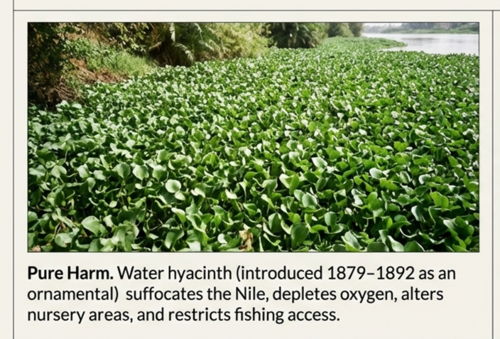
The invasion of freshwater systems has a different history. Water hyacinth is a prominent example. A classic study of the Nile system documented that water hyacinth did not reach a stage of widespread infestation until environmental changes encouraged its growth and spread across river habitats. Later studies indicate that it was introduced into Egypt as an ornamental plant between 1879 and 1892, providing a clear example of how a seemingly decorative introduction can become a broad environmental and water-management burden.
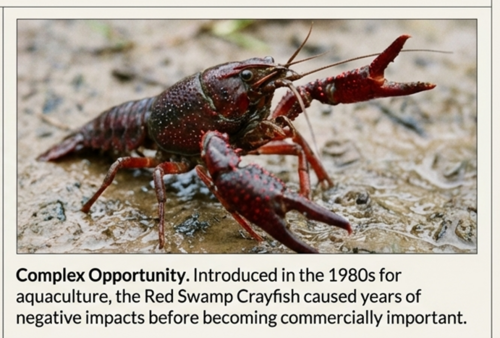
In other cases, introduction was linked directly to production choices. The red swamp crayfish, Procambarus clarkii, is described in recent research as a highly invasive species that was introduced into Egypt’s freshwater systems during the 1980s for aquaculture purposes. Once established, it spread widely and became extremely difficult to contain.
Sometimes, however, “the beginning of the story” is not first captured by an official monitoring station, but by ordinary people. In Egypt’s Mediterranean waters, a scientific paper documented that social media posts revealed the first records of the invasive lionfish (Pterois miles) in Egypt, including an individual that was speared off Marsa Matrouh in 2018. This is not a minor detail. It is evidence of rapid spread, and of the fact that citizen observation has become a real component of early detection tools.
What has This Phenomenon Done to Egypt’s Fishing Sector? Mostly Disruption… but Sometimes Opportunity
For the fishing sector, and what the market is willing to accept. The article clearly points to tangible invasive species can be understood as a factor that changes the rules of the game: what is caught, where it is caught, at what cost, impacts such as damage to fishing gear, disruption of food webs, and increased costs for fishers.
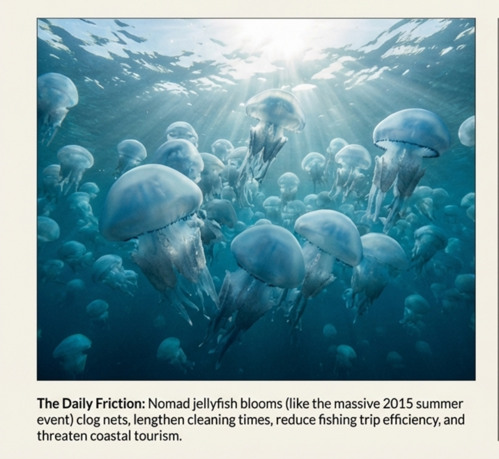
The damage often begins as daily friction: lost time, extra effort, and damaged equipment. Along the Mediterranean coast, the nomad jellyfish (Rhopilema nomadica) is a clear example. A scientific paper examined its bloom on Egypt’s Mediterranean coast, recorded massive numbers during the summer of 2015, and discussed the phenomenon in order to assess its effects on fisheries and tourism. When jellyfish clog nets and lengthen cleaning time, they reduce the efficiency of fishing trips and increase costs, while losses extend to beaches and coastal services.
In freshwater systems, invasive plants may weaken fisheries indirectly by degrading habitats and slowing water movement. Research on the Nile system confirms that water hyacinth spread once environmental conditions became favorable, and then expanded across multiple habitats. When dense floating mats form, oxygen levels may decline and nursery areas may change, while access to fishing grounds becomes more difficult and restricted.
At the same time, the picture is not entirely negative—and ignoring this complexity may lead to unrealistic policies. The red swamp crayfish illustrates this point. Egyptian studies indicate that after years of negative impacts following its introduction, it became a species of commercial importance. This shift from “source of harm” to “source of income” may lead some to view invasive species as an opportunity. But the trade-off remains: a species may be profitable while still harming biodiversity, outcompeting native species, and altering food webs in ways that reduce the ecosystem’s capacity to recover.
At the marine level, recent studies suggest that some Lessepsian species in the eastern Mediterranean, under conditions of climate change and declining biodiversity, may help maintain certain ecosystem functions and services, and may even provide benefits to fisheries under specific conditions. This does not mean that “invasive is good.” Rather, it means that management requires a realistic distinction between highly harmful species that must be contained, species that have already become established and must be managed, and species that have become economic resources and therefore require careful regulation rather than denial of their existence.
The Human Factor: The Role of Local Communities, Fishers, and Government
The report is built around a central idea: this phenomenon cannot be addressed by science or ministries alone. Awareness must be translated into everyday behavior, early reporting, and effective policy implementation.
For local communities, the most powerful role begins at home and in the neighborhood. Releasing ornamental fish or aquarium plants into canals and drains may seem like a “kind” act, but it is one of the known pathways of biological invasion. Many invasions begin in small, repeated, hard-to-track ways, then accumulate until they become a public cost affecting irrigation, fisheries, and environmental health. Once families understand that a single release may turn into a long-term burden, behavior changes naturally, because prevention becomes an act of self-protection and community protection.
For fishers, the role has two connected dimensions: limiting spread and strengthening early detection. Fishers and boat operators move through aquatic systems more than most people; this makes them among the first to be affected, but it also makes them the most capable of noticing change. The article emphasizes the importance of community reporting guidelines and the role of local authorities in early detection.
In practice, this means fostering a professional culture in which unusual catches or sudden “blooms” are documented with photographs, location, and timing, rather than dismissed as a temporary anomaly.
For government, the role is to make prevention and response possible at scale. Ports are not only economic gateways; they are biological gateways as well. The International Maritime Organization’s ballast water management framework shows that the risks of global transport can be reduced, but this depends on monitoring, inspection, compliance, and enforcement. Fisheries and aquaculture policies should also treat biosecurity as part of productivity, not as an “environmental luxury.” The story of the crayfish—which was introduced for aquaculture and then spread—shows what can happen when production objectives move ahead of containment measures.
Global Warming: The Accelerator That Makes Biological Invasions Harder to Manage
Egypt’s waters are already changing. Egypt’s marine and freshwater environments are becoming more vulnerable due to changes in water temperature and salinity, in addition to pressures from transport and trade.
Climate change acts as an accelerator on three overlapping levels.
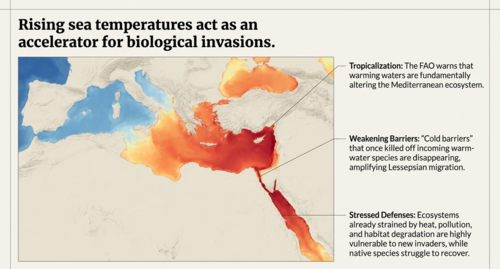
First, rising sea temperatures are driving what the Food and Agriculture Organization (FAO) describes as the “tropicalization” of the Mediterranean. FAO also notes that many species move through shipping routes and the Suez Canal, either attached to ship hulls or carried in ballast water. As temperatures rise, the “cold barriers” that once limited the survival of some incoming species begin to weaken.
Second, warming interacts with the Suez Canal pathway itself. Scientific studies have examined how the canal established extensive biological exchange and how higher temperatures amplify the dynamics of Lessepsian migration.
Third, climate stress weakens the resistance of ecosystems. United Nations Environment Programme reports identify invasive alien species as one of the main direct drivers of biodiversity loss, and highlight climate change as part of a broader pressure context that makes systems more vulnerable to invasion. Put simply, when an environment is already strained by heat, pollution, and habitat degradation, invasive species find it easier to establish themselves, while native species find it harder to recover.
How Can the Damage Be Reduced? A Chain of Defenses, Not a Single Solution
It is important to state the reality plainly: there is no single blow that will end the problem. What works is a chain of defenses that begins before an invasive species arrives and continues after it becomes established. The article presents this chain as a set of practical solutions: monitoring, rapid response, biosecurity in ports and farms, community participation, and preventive behaviors that people can realistically adopt.
The chain begins with prevention, because the cheapest invasion is the one that never happens. At sea, this means treating ballast water and hull biofouling as biosecurity issues, not merely as paperwork requirements. The International Maritime Organization’s documents make clear that ballast water can transport harmful organisms, and that implementation of the BWM Convention is intended to reduce this transfer. The regulatory framework exists; the real question is how strong and consistent enforcement is in ports.
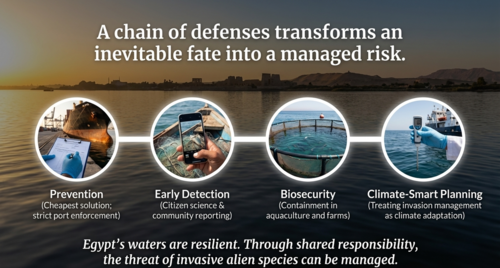
Next comes early detection and rapid response, because time determines the difference between an incident that can be contained and an invasion that becomes permanent. The article’s focus on community reporting is not simply a “nice addition”; it is one of the few tools that can be scaled across a long coastline and an extensive inland water network.
The story of lionfish documentation through social media shows that citizen monitoring is already happening. What is needed is a trusted channel that can transform public observations into scientific verification and then into practical action.
This chain also requires stronger biosecurity in aquaculture and in inland waterways. The crayfish case shows why containment matters: once a species becomes established, management shifts from prevention to long-term control, which is costly and rarely succeeds in complete eradication. Likewise, the history of water hyacinth in the Nile system shows that control cannot succeed through removal alone; the conditions that fuel explosive growth must also be addressed, such as slow water flow, high nutrient levels, and habitat disturbance.
Managing biological invasions also requires a degree of economic realism. Some alien species will become part of the market, whether we welcome that or not. According to Egyptian studies, the red swamp crayfish (Procambarus clarkii) became commercially important after years of negative impact. The right response is not to ignore the market, but to regulate it: prevent the movement of organisms in ways that encourage their spread, establish safe transport and handling practices, and link commercial activity to environmental monitoring so that “profit” does not become an undeclared permit for expansion.
Finally, there must be climate-smart planning. Warming makes invasion easier, so invasive species management should be treated as part of climate adaptation, not as a separate file. FAO’s description of a Mediterranean moving toward tropicalization is a warning that today’s maps are not the baseline for the near future. This means that monitoring priorities will change, risk maps will need updating, and coordination among fisheries, irrigation, scientific research, and local communities must become faster and more integrated.
Conclusion: Awareness Is Not the End of the Road, but the Beginning of Coordination
Invasive species are often discussed in technical language, but their effects in Egypt are practical: damaged nets, blocked canals, altered fisheries, new risks, and rising costs. As the article makes clear, the reason this issue deserves broad public attention is that the solutions also depend on community behavior, early reporting, and the implementation of realistic policies on the ground.
Egypt’s waters are resilient, but they are not limitless. As climate change accelerates and pathways of introduction remain open, the question will no longer be whether new species will arrive. The real question is whether we can detect them early, contain them intelligently, and reduce their damage through shared responsibility. When local communities prevent random releases, when fishers act as early-warning partners instead of being left as isolated victims, and when the state strengthens monitoring and rapid response, the threat of invasive alien species becomes a managed risk rather than an inevitable fate.
Rooftop Planting for Persons with Visual Disabilities
This online Article includes a series of informative posts on Rooftop Planting for Persons with Visual Disabilities.
The article is tackles the following topics:
• Rooftop Planting as a gateway to empowerment and economic independence
• Rooftop Planting and its environmental impact (Sustainability)
• Community Gardening as fertile ground for social inclusion
• Rooftop Planting from seed to harvest
Article 1
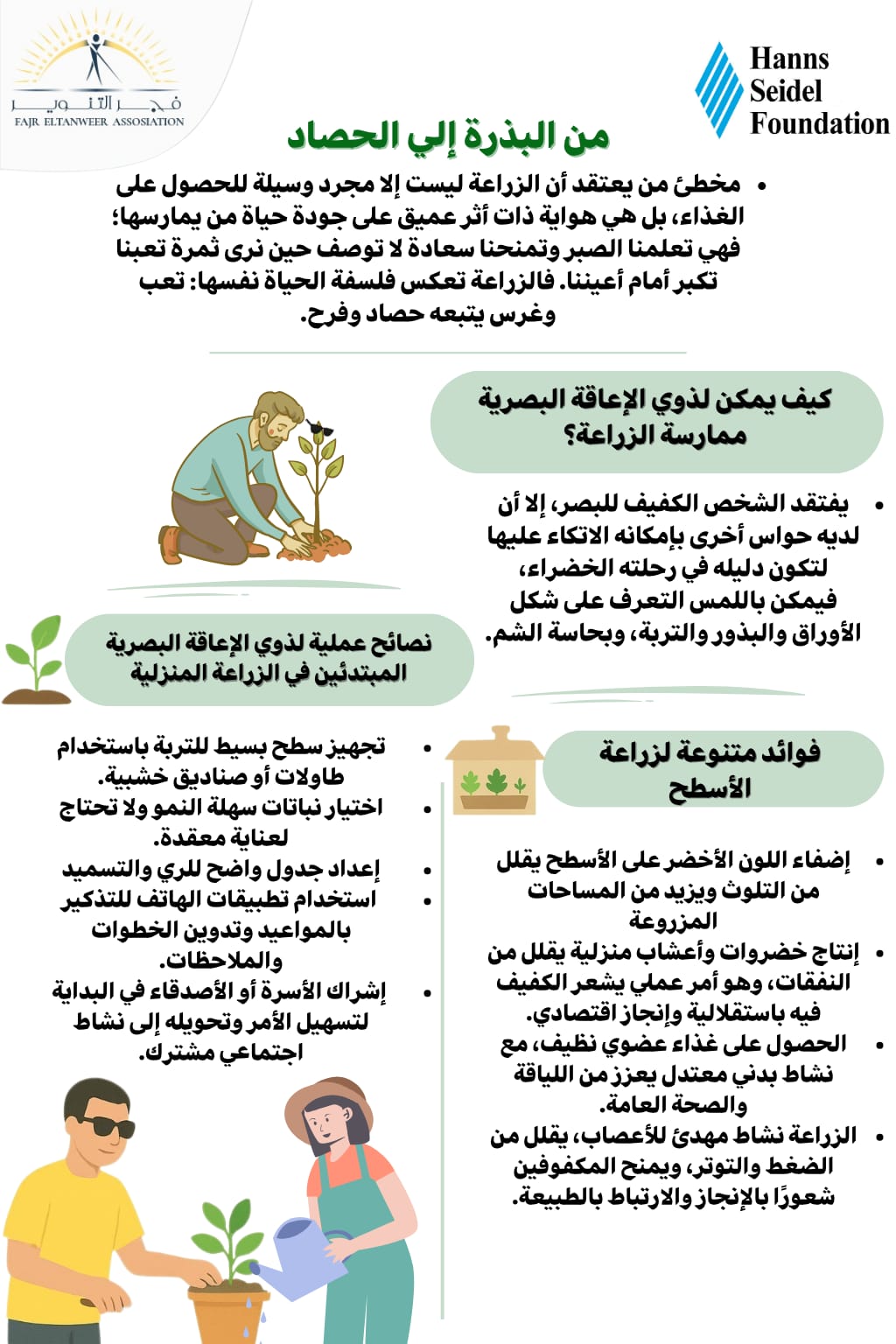
Gardening isn’t about sight — it’s about touch, scent, curiosity, and patience.
Persons with Visual Disabilities can plant, water, and harvest using sensory-friendly tools and simple routines.
When rooftops turn green and accessible, we don’t only grow plants, we grow confidence, independence, and joy.
Article 2
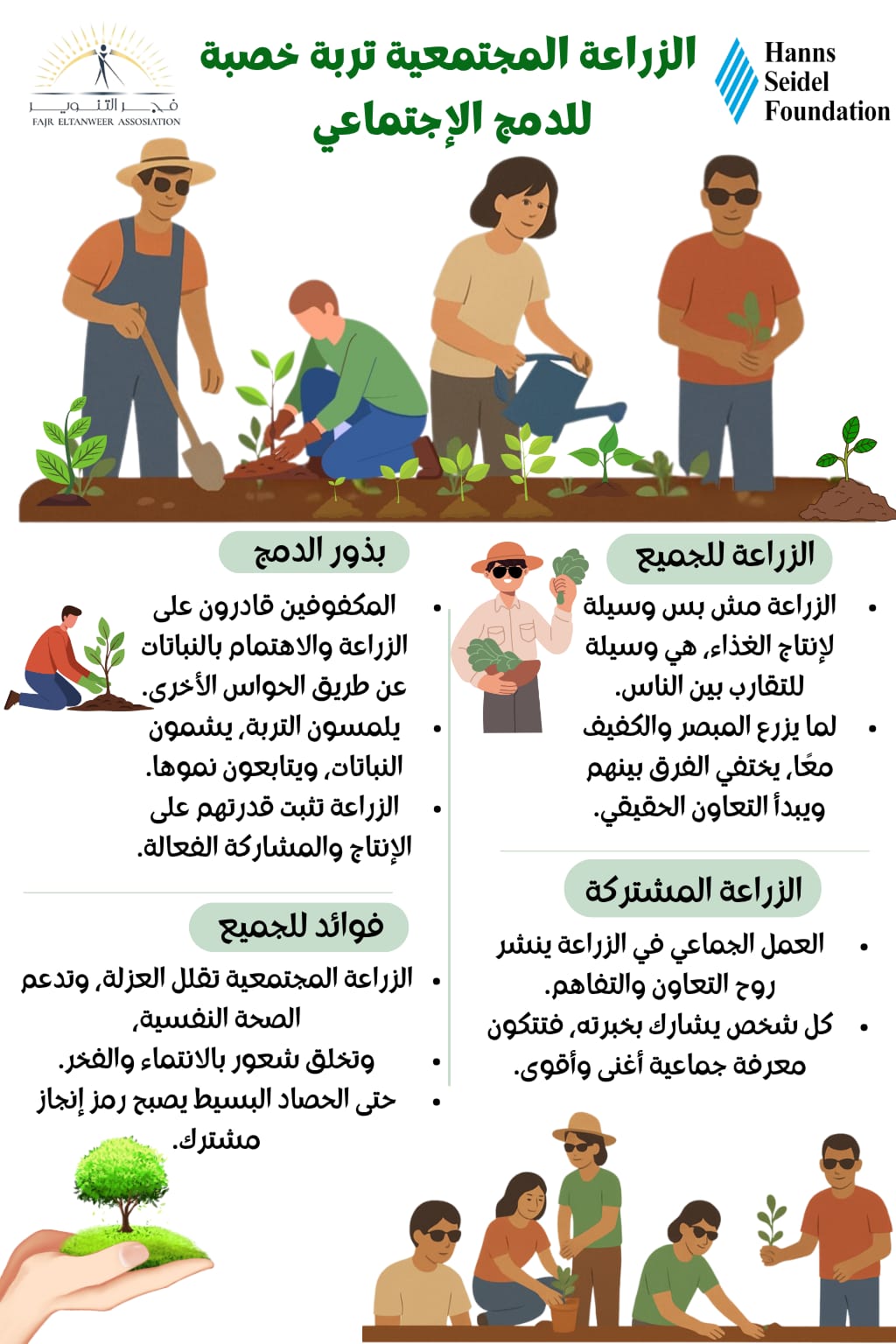
How does rooftop gardening foster inclusion?
Community agriculture doesn't just offer valuable resources at affordable prices; it also interconnects society and allows people from all backgrounds to share valuable experiences
Article 3
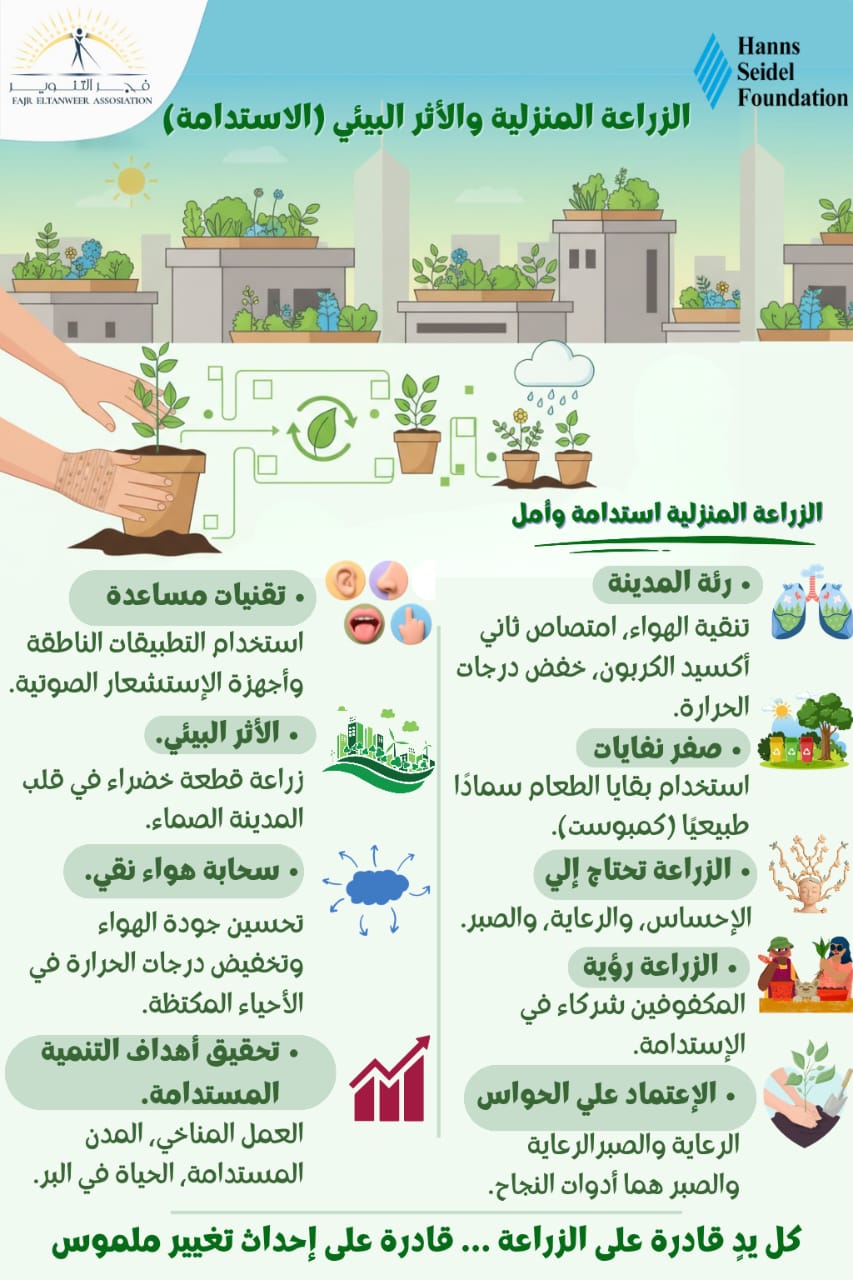
Growing green above the city!
Persons with Visual Disabilities can support environmental sustainability.
Rooftop gardening helps cool buildings, clean air, and bring nature back to cities and support sustainable living.
Article 4
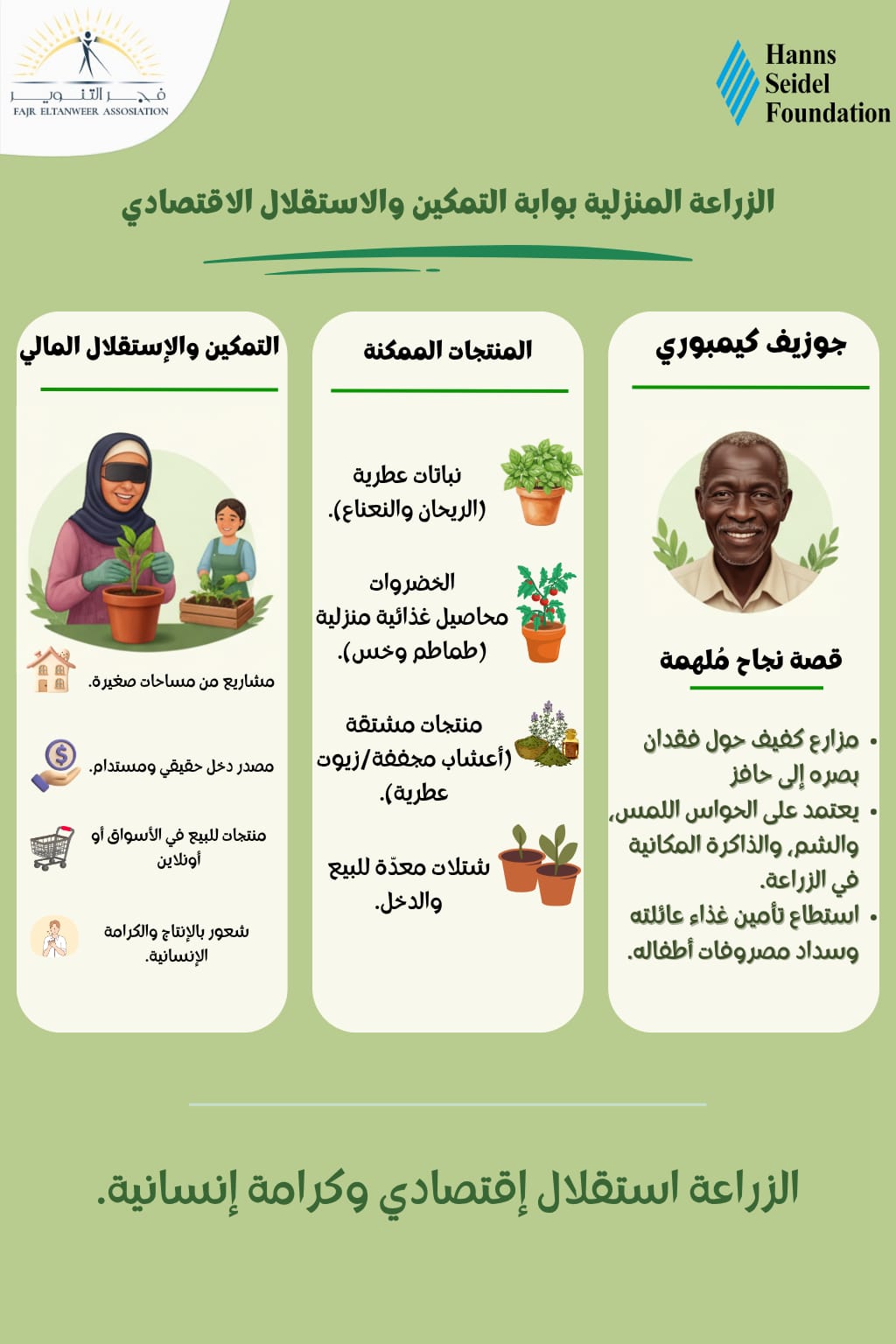
Does cash grow on trees?
Here it does, with rooftop planting, income can be generated through selling the products of your rooftop garden.
This gives an unbeatable opportunity for economic independence.
Plastic-Free Alexandria: A Strategic Initiative for a Sustainable and Resilient Coastline

A picture inviting people to keep Alexandria's beaches clean from plastic.
The sea we see... and the sea we create
Alexandria is not just a city overlooking the sea, it is a human story that spans history. Here, where the mighty Nile meets the Mediterranean Sea, one of humanity's greatest cities was born. But this magnificent historical tableau is now threatened by a silent flood of plastic invading our shores and suffocating our sea.
Read more
The latest reports from the United Nations Environment Programme (2023) indicate that the Mediterranean has become one of the world's most plastic-polluted seas, with approximately 570,000 pieces of floating plastic per square kilometer. Even more worrying is that Egypt contributes about 0.5 million tons of plastic waste annually, according to World Bank studies, much of which finds its way into the sea through drains and storm sewers.
The data in Figure (1) shows that water and beverage containers account for the largest proportion of plastic waste on Alexandria's beaches at 48%, followed by plastic bags and wrappers at 22%, and single-use plastic items at 15%. These percentages reflect citizens' daily consumption patterns and confirm that solutions must focus on finding alternatives to these single-use products. The results also indicate that awareness campaigns should specifically target reducing the consumption of plastic containers and bags, which together account for 70% of total plastic waste in the region.
Diagnosing reality: Plastic's journey from human hands to the depths of the sea
Let's take a look at the life cycle of plastic in our city. The journey begins in the hands of the consumer: a water bottle thrown from a car window, a plastic bag carried by the wind, plastic debris left on the beach. These residues are carried by the north wind and rainfall to small tributaries that flow into Lake Mariout, then into the Mediterranean Sea. The problem is not limited to the unsightly appearance of floating waste, but extends to the transformation of plastic into a hidden enemy. Plastic breaks down under the action of ultraviolet rays and waves into tiny particles known as “microplastics” — particles smaller than a grain of fish that are eaten by fish. These particles have become an integral part of the food chain, found in sardines caught in the waters of Alexandria, in the shrimp we buy at the market, and even in sea salt extracted from our coasts. Scientific studies estimate that humans consume the equivalent of a plastic credit card (about 5 grams) annually without knowing it.
Triple impact: when plastic threatens our environment, our health, and our economy
The damage here is complex and intertwined from an environmental perspective, with more than 100,000 marine animals dying each year due to plastic, according to the Food and Agriculture Organization. In the Mediterranean Sea specifically, research by the Polytechnic University of Catalonia has shown that 70% of sea turtles have plastic debris in their intestines. In terms of health, toxic substances from plastic are transferred to fish tissue and then to the human body. These dangerous chemicals accumulate in the liver and kidneys and can negatively affect the endocrine and immune systems. Burning plastic waste in unregulated landfills also releases toxic gases that increase rates of asthma and respiratory diseases among coastal populations. Economically, polluted seas do not attract tourists, and nets full of waste do not provide a livelihood for fishermen. The economic losses to the tourism and fishing sectors in Mediterranean countries due to marine pollution are estimated at more than $700 million annually, negatively affecting the economies of these countries and the standard of living of their citizens.
Alexandria: Why is it qualified to lead change?
Alexandria is a unique model qualified to lead environmental change in Egypt for several reasons, including the availability of advanced scientific and research infrastructure, which includes the prestigious Alexandria University, the Institute of Marine Sciences and Fisheries, and other specialized research centers. It also has significant economic importance, contributing about 15% of Egypt's urban waste, making it an ideal arena for experimentation and practical application. Not to mention the city's historical and cultural significance, as its cultural and tourist heritage is a strong incentive for environmental conservation. This unique diversity of factors makes it the ideal location to start a real environmental revolution that can later be replicated in other governorates across the country.
Vision for transformation: An integrated four-pronged strategy
In terms of smart policies and supportive legislation, Alexandria could start by issuing a local ordinance to reduce single-use plastics, beginning with a ban on plastic bags in supermarkets, then gradually expanding to include all types of non-recyclable plastics. Environmental fees could also be imposed on plastic-producing companies, which could be used to finance recycling projects. Tax incentives should be offered to factories that produce environmentally friendly alternatives, encouraging the private sector to shift towards a green economy.
In the circular economy, which turns waste into wealth, a “purchase for waste” model can be implemented, whereby citizens can hand in a kilogram of plastic in exchange for mobile phone credit or a discount on their electricity bill. This system has proven successful in many developing countries. Collection and sorting centers can also be set up in every neighborhood, providing green jobs for young people in collection, sorting, and processing. It is important to encourage start-ups in the field of recycling and environmental innovation through business incubators and small business financing.
Figure (2) shows a comparison of recycling rates in a number of Mediterranean countries: Spain, Greece, Tunisia, Egypt, and Lebanon. The graph shows that Spain tops the list with a recycling rate of around 40%, followed by Greece with 30% and Tunisia with 25%, while the rate drops significantly in Egypt (12%) and Lebanon (10%).
These figures indicate a clear gap in the implementation of waste management and recycling policies between European countries and southern Mediterranean countries, reflecting the urgent need to develop recycling infrastructure in Egypt and the region in general. Increasing recycling rates not only protects the environment, but also contributes to creating new job opportunities and reducing pressure on natural resources, making investment in this area a strategic step towards a circular and sustainable economy.
In the field of scientific research and technological innovation, a marine waste observatory could be established at Alexandria University, using satellites and drones to detect pollution spots and track their movement. An advanced electronic application could also be developed to allow citizens to report waste accumulation sites, with a rapid response system to deal with these reports. It is necessary to support innovative student projects to convert used plastic into building materials, textile fibers, and other useful materials.
In the area of community participation and local empowerment, civil society organizations such as Alexandria Breathes and Beach Guardians can be supervised in awareness and cleanup programs, with the necessary support provided. There should also be a focus on the role of women in behavioral change and household waste sorting through dedicated awareness programs. Intensive awareness campaigns must be launched in schools and universities, such as the “Alexandria Without Bags” and “My Bottle with Me” campaigns, to create a new environmentally conscious generation.
Lessons learned from around the world: successes we can build on
Among inspiring international experiences in this area, Rwanda became the cleanest capital city in Africa after banning plastic in 2008, strictly enforcing the ban and imposing deterrent penalties on violators. In Greece and Spain, plastic bag consumption was reduced by 80% in just two years through the imposition of carefully considered environmental fees. South Korea is a leading example of waste management, having established a sophisticated sorting system using numbered transparent bags, which has facilitated tracking and monitoring. These models prove that solutions are possible and can be adapted to the local conditions in Alexandria.
Citizens: The Cornerstone of Change
It is important to recognize that no environmental plan can succeed without citizen awareness and active participation. Simple but sustainable awareness campaigns can radically change behaviors, and involving students in beach clean-up activities creates a new generation of environmentally conscious citizens. Establishing a national beach cleanup day involving thousands of volunteers can transform environmental work from a seasonal activity into an established community culture. Training programs for volunteers on sorting and recycling methods can also be developed, turning environmental work into an opportunity for skill building.
Figure (3) illustrates the relationship between the level of public awareness and plastic pollution rates, showing that as environmental awareness among individuals increases, the proportion of plastic waste in the environment decreases. This indicates that awareness campaigns and community initiatives play a pivotal role in reducing plastic use and promoting sustainable behaviors.
Conclusion: Towards a New Blue Decade
Alexandria has all the necessary ingredients to lead a real environmental transformation in Egypt. Community awareness is growing, scientific tools are available, and international support is there. The sea that has embraced the city throughout the ages deserves our gratitude. As Egyptian scientist Dr. Mostafa Morad says: “The sea is a living being that deserves respect... Give it cleanliness, and it will give you life.” This is not just a passing environmental initiative, but an investment in our future and that of generations to come. It is our historic opportunity to make Alexandria a regional model to be emulated and send a clear message to the world that Egypt is serious about protecting its natural and cultural heritage. Let us make Alexandria the first Egyptian city to declare to the world: “Goodbye to plastic... and welcome to a green future.”
Managing Wastes and Recycling

This online Article includes a series of informative posts on the importance of Waste Management and Recycling.
The first article is targeted towards households
The second article is targeted towards school children
The third article is targeted towards industry employees
The third article is targeted towards the public with a focus on protecting the Nile River
Article 1

A picture on the negative effect of not sorting household wastes.
Many households throw all their waste into a single bin. This creates a major problem: up to (60–80%) of that waste could be recycled or reused but instead, it ends up in landfills where it harms the environment. Mixed garbage contaminates recyclables, making it harder to recover materials. Hazardous waste like used cooking oil and batteries can also leak toxins into soil and water, affecting ecosystems and human health.
The solution starts at home.
Simple daily habits can make a big difference:
- Separate food waste from dry waste—this keeps recyclable items like plastic, metal, and glass clean
- Reduce plastic bag use by switching to reusable bags, and repurpose items.
By taking responsibility for our household waste, we can reduce landfill pollution, protect the environment, and save money.
These small actions create cleaner homes and teach valuable habits to the next generation.
Join the #DoubleBin_Challenge
Take a photo of two separate bins in your kitchen and share it with your friends. Teach your kids to join in too!
Article 2

A picture stating that a clean school means a better learning environment.
Waste generation in schools is a growing concern, especially through food packaging, paper waste, and single-use plastics. Waste per school could exceed 10–20 kg per day, depending on school size and taking into consideration the estimates of waste generation per capita per day. Much of this waste—like bottles, wrappers, and leftover food—is often discarded improperly, ending up on the ground or in mixed bins.
The trash you throw away today may return as polluted water, blocked drains, or unsafe food grown in contaminated soil. Protecting our environment means protecting ourselves.
What students can do:
• Use sorting trash bins—especially for recyclables like plastic, paper, and cans. Keep food waste separate to reduce contamination.
• Clean your schoolyard: When each class cleans just one area regularly, the whole campus becomes cleaner and more pleasant.
• Reduce and reuse: Bring reusable bottles and lunch containers. Turn old materials into art, crafts, or classroom supplies.
• Team up and take action—together it’s easier to make a difference.
Article 3

A picture that states the green future starts from your company.
Did you know that up to 50% of industrial waste could potentially be reused or recycled? Yet in many cases, this valuable waste is simply discarded without proper sorting—contributing to overflowing landfills, polluted waterways, and harmful air emissions. While precise figures on industrial waste are limited, reports indicate that improper disposal of industrial wastes continue to be a major source of environmental degradation, especially through illegal dumping and untreated effluent entering water bodies. But there is a solution—and it starts with responsible action at the workplace.
Businesses can take the lead by:
• Setting up clearly labeled bins for separating recyclable and non-recyclable materials,
• Partnering with licensed recycling and waste management firms, and
• Training staff on environmentally sound disposal practices.
Join the #MyGreenBusiness_Challenge : Photograph your company’s waste-sorting station and share your inspiring efforts with your audience. Show that your workplace is part of the solution—not the problem.
Article 4

A picture stating that disposing of wastes in the Nile has negative effects on the health of people.
The Nile is not a trash bin—let’s protect it together! It is the lifeline of over 100 million Egyptians, supplying nearly 95% of the country’s drinking water. Every time we toss a plastic bottle, bag, or piece of trash into the river, we pollute the very source of life. Recent studies show alarming signs:
• 75% of fish sampled from the Nile contain microplastics in their systems.
• The Nile is one of the top 10 rivers in the world contributing to plastic pollution in oceans
Though exact figures vary, there is strong evidence that waste from homes, businesses, and boats makes up a large share of river pollution. This endangers not just aquatic life, but also public health, especially in communities that rely on the Nile every day.
What can you do?
• Never throw trash into the river or along its banks
• Avoid plastic when possible—use reusable bags, bottles, and containers
• Join a clean-up effort
Take the #CleanNile_Challenge
Take a photo of a clean section of the Nile—or better yet, of your cleanup in action. Post it and inspire others.
Policy Papers & Policy Briefs on Current Egyptian Issues

Cover of Policy Papers & Policy Briefs on Egyptian Issues
The compilation of public policy papers and briefs included in this book on a range of important issues that benefit decision makers in this regard comes within the framework of the cooperation between the Faculty of Economics and Political Science and the Hanns Seidel Foundation, as one of the areas and activities in which the Foundation has been cooperating with the Faculty over the past years. The book attempts to achieve a dual objective. On the one hand, it seeks to build the capacities of faculty members as public policy analysts who are qualified to analyse situations and formulate alternatives and recommendations. On the other hand, the book aims, through its outputs, to develop public policies in terms of their formulation, implementation and evaluation.
Read more about the publication
The book consists of three policy papers and six policy briefs. The three policy papers dealt with three topics, ‘Good Governance and Anti-Corruption in Egypt: Situation Analysis and Action Programme’, “The Blue Economy between Efficiency and Sustainability in the Egyptian State”, and “The Role of Artificial Intelligence in Shaping the Future Labour Market between Innovation and Modularity”.
As for the six policy briefs, they addressed the following topics:
- Localisation of Industries in Egypt: Challenges and Opportunities
- Pre-University Education Policies in Egypt
- Mechanisms to Enhance Egypt's Political Soft Power
- Mechanisms to empower local units to minimise the phenomenon of citizen alienation: A Proposed Vision for the New Localities Law in the Arab Republic of Egypt
- Youth and Development in Egypt: Prospects and Challenges
- Innovation as a Pillar of the Green Economy: Analysing Egypt's position in the Global Innovation Index 2024
In the end, we hope that this book represents a positive addition to the scientific and public dialogue in Egypt on public policy issues. We believe that this addition stems from four considerations that guided the authors in the preparation and planning of this book:
First: the scientific effort included in this book encompasses more than one discipline in the field of social sciences. The policy papers and policy briefs were written by professors, researchers, and experts from various fields and sciences, including economics, public administration, politics, and social computing. This diversity is a reflection of the interdisciplinary nature of the public policy field and the fact that understanding public policy requires the combined efforts of researchers from these fields.
Second: The scientific effort contained in this book also includes a synergy between researchers and professors working in universities on the one hand and researchers working in ministries on the other hand, because the evaluation of any public policy should not be limited to the theoretical aspect or the consistency of its elements and components, but rather the most important test of any public policy is in its application.
Third: The policy papers and policy briefs focus on political, administrative and economic topics related to the state administrative apparatus, the blue economy, artificial intelligence, Egyptian political soft power, localisation of industry in Egypt, and innovation, all of which are modern and important topics that have links to the development process, which is a political, economic and administrative process.
Fourth: Unlike many research and studies that focus on academic and theoretical aspects, most of the policy papers and policy briefs in this book shed light on some societal issues and problems, by diagnosing situations and discussing different alternatives to solve these issues, enabling decision makers to benefit from these alternatives on the one hand, and benefiting researchers in how to prepare policy papers and knowing the difference between them and academic research, on the other hand.
Governance Dictionary
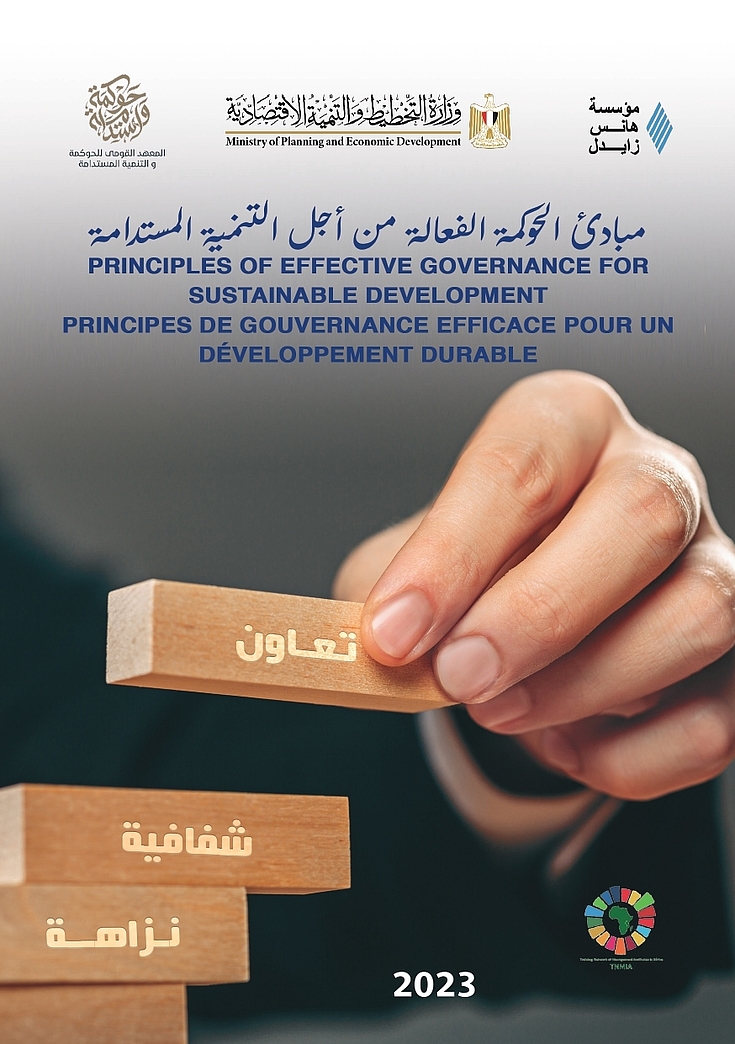
The Hanns Seidel Foundation, in cooperation with the National Institute for Governance & Sustainable Development (NIGSD), published the Governance Dictionary.
Read more about the publication
This dictionary was published in collaboration with the National Institute for Governance & Sustainable Development with the aim of spreading awareness on the principles of governance, as well as the correct definition of related terminologies. The dictionary consists of 3 languages; Arabic, English & French, so it can be used by all African countries.
SDGs for Children Booklets
HSS
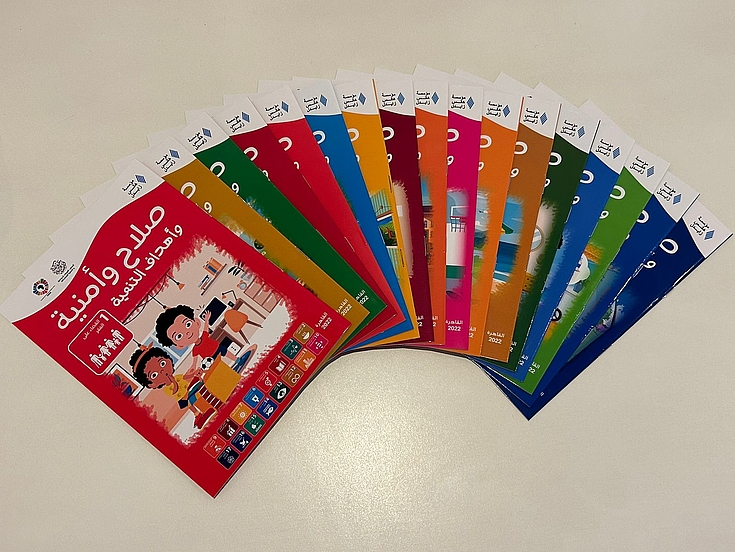
The SDGs Booklets are a set of 17 booklets, each of them discusses one of the goals of Sustainable Development in a children friendly manner with the aim of raising the awareness of the children on these goals, and how to achieve them.
Read more about the publication
The booklets are written in the form of short stories with two main characters “Omneia”, and “Salah”. Then, an action plan is stated to allow children to apply what they learned through the story in a practical way, and on a small scope. Finally, the last page of each booklet is dedicated to scientifically explain the sustainable development goal that the booklet tackles in order to introduce the children to the scientific information about each goal of sustainable development.
Decentralization in the Egyptian case: Policy Papers
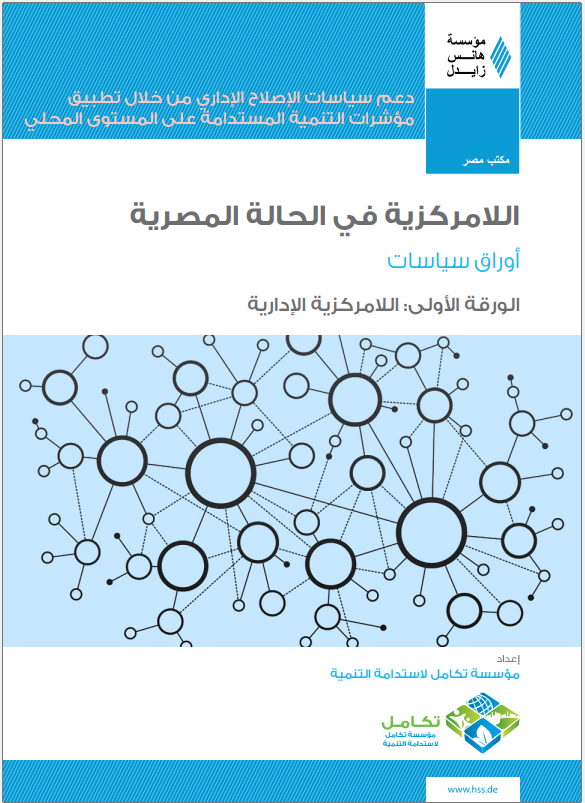
Within the framework of our belief that decentralization is an important tool for achieving an effective local administration that responds to the needs of society and allows citizens’ participation in local decision-making, the Hans Seidel Foundation cooperated with the Takamol Foundation for Development Sustainability towards issuing 3 policy papers on decentralization, in order to present them to the concerned Egyptian authorities to review the mechanisms that are in line with the constitutional and legal framework for the local administration system in Egypt as a contribution to administrative reform efforts.
Read more about the publication
These papers come as a continuation of a series of activities held by the Hanns Seidel Foundation in the various Egyptian governorates over the years within the framework of an integrated program to raise societal awareness about the concept and applications of decentralization to achieve inclusive and sustainable development.
Etiquette of dealing with people with disabilities Booklet
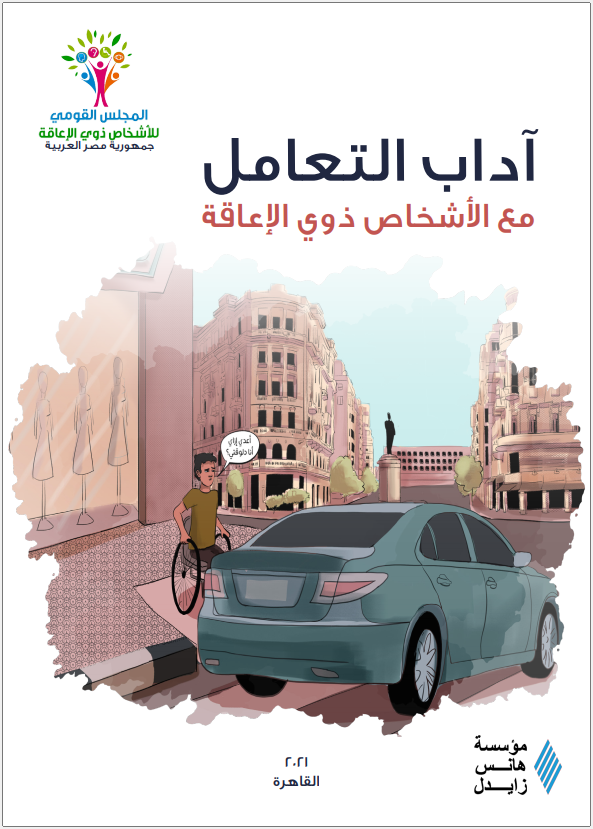
In the interest of the National Council for Persons with Disabilities to spread the culture of the rights of persons with disabilities and to preserve their dignity, the Council is pleased to issue this booklet "Etiquette for Dealing with Persons with Disabilities", which aims to provide information on the basic considerations of etiquette for dealing with persons with disabilities, which can contribute to increasing Awareness among citizens and workers in various fields, such as education, media, work, health, and others, of the importance of respecting a person with a disability as a human being, regardless of his disability.
In this regard, the National Council for Persons with Disabilities would like to thank the German Hanns Seidel Foundation in Egypt for its great cooperation in issuing this booklet.
Read more about the publication
The lives of persons with disabilities are linked to societal culture, which constitutes a fundamental pillar in dealing with their issues. The prevailing societal and cultural view from the last century that they are unable and cannot live and work independently is a major reason for their marginalization and the decline of their human rights compared to other citizens in many societies.
With the growth of movements of human rights organizations, the United Nations issued at the end of 2006 the Convention on the Rights of Persons with Disabilities, and confirmed that disability is due to the barriers and challenges facing individuals with disabilities within society, and is not only any form of physical, sensory, mental or psychological deficiency.
The negative perspective towards people with disabilities needs effective steps to change it by activating the law to create the environment and provide different means of access for them, and spread awareness of the way to deal with them, which helps to establish the concept of respect for difference and the human entity first.
Awareness of the basics of etiquette for dealing with persons with disabilities, which means respectful communication and interaction with them, makes them feel more comfortable when dealing with others, and can help prevent embarrassing situations, and can also lead to expanding opportunities for integration and work in addition to helping institutions to perform their roles towards Persons with disabilities who work with or deal with it more effectively.
Decentralization and local administration in Egypt and Germany

This book presents both the Egyptian and German experiences in local administration with a specific focus on decentralization. The German model which presents a stable national status with unified policies on one hand and a decentralized system with strong regional and local capacities on the other is presented as an inspiration for the ongoing administrative reform process in Egypt.
The German and Egyptian experiences are described by the authors of this book, Dr. Saleh El-Sheikh and Dr. Andreas Kalina, both exquisite experts on the topic with long national and international experience, who participated together in a workshop organized in Egypt in May 2015 by the Hanns Seidel Foundation in cooperation with its Egyptian partner the State Information Service on the same topic.
The book includes eight chapters shared by Dr. Saleh El-Sheikh and Dr. Andreas Kalina and is concluded with a short contribution by the Project Coordinator of the Hanns Seidel Foundation about the Foundation’s decentralization program implemented with the Nile Centers over the past years.
Read more about the publication
The chapters covered by Dr. El-Sheikh start with an introduction on decentralization from theory to practice then proceed to local democratic systems covering the political and legal context of the Egyptian local system. Dr. El-Sheikh also presented requirements for the reform of the local system through decentralization as well as a review of the Egyptian experience in civic education.
Dr. Kalina wrote an introduction to the process of transformation into decentralization followed by a review of the federal system and local governance in Germany as well as the municipal administration and modernization trends.
The valuable contribution of both authors was concluded with recommendations and an overview of lessons learned from the German experience.
Guidelines for Participatory Development Concepts and An Executive Framework: Local Initiatives as a Model
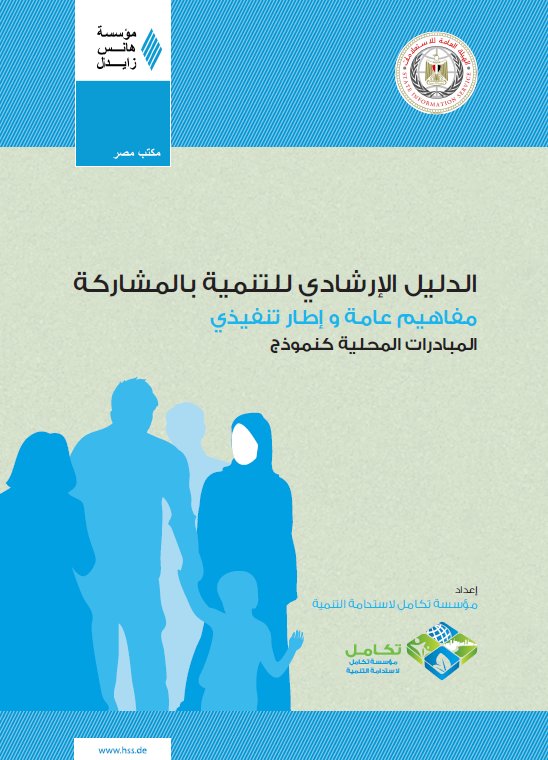
Within the cooperation project with the State Information Service (SIS) titled “Nile Centers for Information, Education & Training: An Instrument for Sustainable Development in Egypt” the Foundation implemented a comprehensive program throughout several years to support local development initiatives in the various governorates of Egypt. In cooperation with its partner, the SIS/Nile Centers it organized workshops and training series on planning, implementing and evaluating participatory development initiatives for the Nile Centers’ staff and their local partners from the civic society and local administration.
Read more about the publication
Hanns Seidel Foundation together with the State Information Service agreed to publish this book in cooperation with experts from Takamol Foundation for Sustainable Development, based on their long national and international experience on participatory development.
This book is a manual presenting guidelines for participatory development within its 3 chapters, which include a theoretical background on the participatory development approach covering Egyptian policies and laws, then it presents an executive framework and practical methods for participatory development, focusing on local initiatives as a tool and finally concluded with a chapter describing local initiatives with practical steps as implementing guidelines giving examples of local initiatives implemented by the Nile Centers. It is published as a reference manual for those working on local initiatives with the hope that it would contribute to the achievement of real participation in the sustainable development process in Egypt.